Certain matches in cricket history are not merely games; they are psychological dramas that define generations. The 1999 ICC World Cup semi-final between Australia and South Africa at Edgbaston is the ultimate example of this. Played on June 17, 1999, this tie remains etched in the memory of cricket fans as a classic exhibition of pressure, strategy, and heartbreaking drama. Pitting two of the era's strongest teams against each other with a spot in the final on the line, the match lived up to every bit of expectation, producing a finish that is still analyzed and discussed decades later.
The legacy of this match is deeply intertwined with the fortunes of both nations. For Australia, it was the start of an era of absolute dominance on the global stage, while for South Africa, it was the birth of the infamous "chokers" tag that has followed them through tournaments. The game showed how the thinnest of margins could decide the destiny of teams, and how a single misunderstanding under intense pressure could change the course of cricket history.
The Seesaw First Innings: Australia Grits it Out
Sent in to bat by South African skipper Hansie Cronje, Australia faced an immediate examination from a quality pace attack. Shaun Pollock and Allan Donald bowled with exceptional control, hitting the deck hard and extracting movement from the Edgbaston pitch. Australia found themselves in early trouble, losing key wickets in the powerplay. Steve Waugh, the Australian captain, showed great crease presence, anchoring the innings with a gritty 56. His partnership with Michael Bevan, who made a valuable 65, helped rebuild the innings after the early collapse.
Despite their efforts, South Africa's bowlers kept the pressure on. Donald was particularly lethal, picking up 4 wickets for 32 runs, while Pollock finished with 5 for 36. Their discipline restricted Australia to a modest total of 213 all out in 49.2 overs. It was a fighting total, but one that South Africa would have backed themselves to chase, given their strong batting depth and the form of their middle-order players.
The Proteas' Chase: Warne's Magic and Klusener's Storm
South Africa's chase began cautiously, but the Australian bowlers, led by Glenn McGrath and Damien Fleming, kept things tight. The match turned dramatically with the introduction of Shane Warne. The legendary leg-spinner produced a spell of magic, ripping through the South African top order. His delivery to dismiss Herschelle Gibbs, drifting in and spinning sharply to hit off stump, is still regarded as one of the great balls in World Cup history. Warne finished with figures of 4 for 29, leaving South Africa reeling at 61 for 4.
Jacques Kallis and Jonty Rhodes then led a recovery, constructing a disciplined partnership that kept the Proteas in the hunt. Rhodes fell for 43, but Kallis continued to fight, making 53 before falling to Warne. As wickets fell and the run-rate climbed, the match seemed to be slipping away from South Africa. Enter Lance Klusener, the tournament's most explosive finisher. Klusener unleashed a sensational assault, hitting boundary-riders with ease and bringing the target within reach. Armed with a heavy bat, his clean hitting under pressure brought South Africa to the cusp of a historic win.
The Final Over: Chaos, Confusion, and Heartbreak
The drama reached its peak in the final over, bowled by Damien Fleming. With one wicket in hand, South Africa needed 9 runs from the final 6 balls. Klusener was on strike, and Allan Donald was at the non-striker's end. Off the first two balls of the over, Klusener smashed consecutive boundaries through the off-side, leveling the scores. With four balls remaining and only 1 run needed, the match seemed over, with South Africa set for the final.
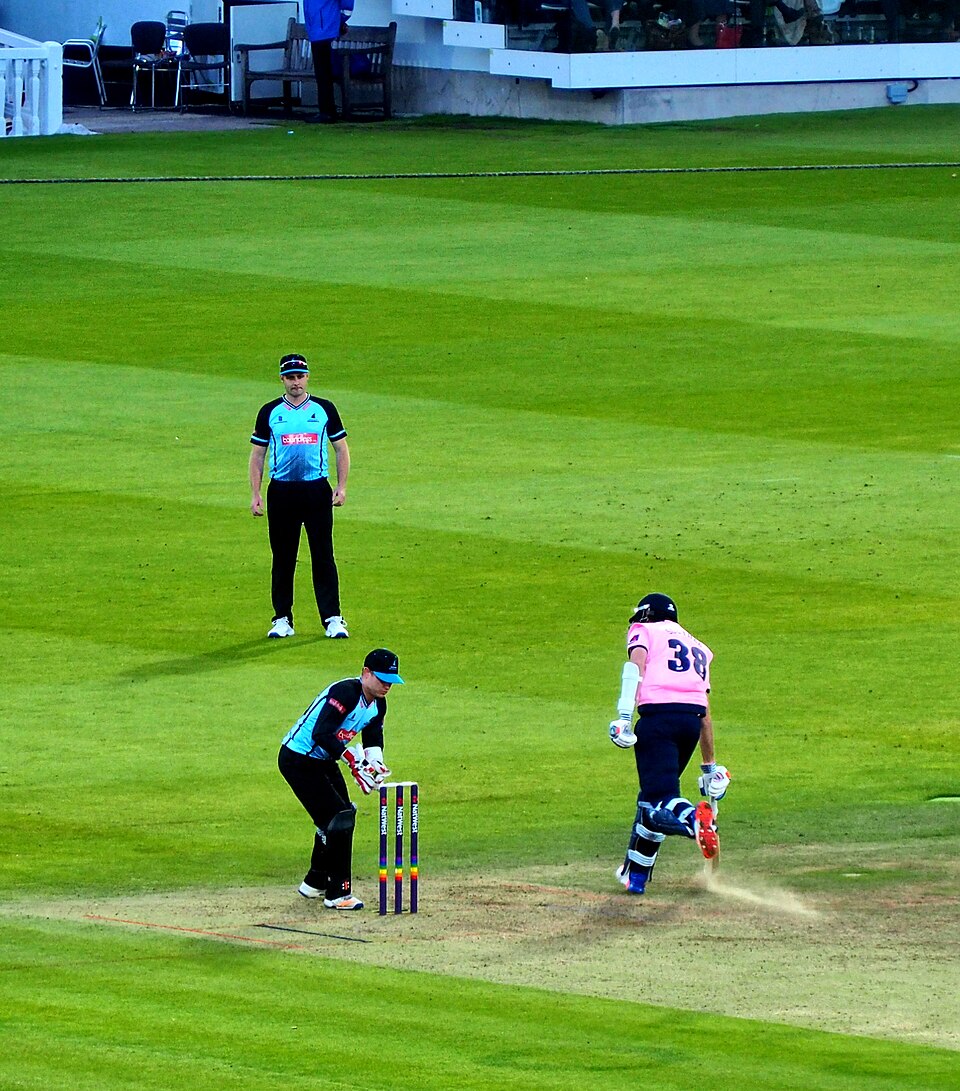
What followed next was pure chaos. The third ball was a dot, with Donald almost run out after backing up too far. On the fourth ball, Klusener hit a mis-timed shot to mid-off and immediately set off for a single. Donald, watching the ball, did not hear the call and stood his ground. By the time Donald realized and started running, dropping his bat in the process, Mark Waugh had gathered the ball and under-armed it to Fleming, who rolled it to wicketkeeper Adam Gilchrist to complete the run-out. The match ended in a tie, and Australia progressed to the final due to their superior net run-rate in the Super Six stage.
Twenty-five years later, this Edgbaston classic is still remembered as a benchmark for drama. It was a game where heroes emerged on both sides, but it is ultimately remembered for the tragedy of the final run-out. For fans and players alike, it remains a powerful reminder of why cricket is called a game of glorious uncertainties, and how pressure can affect even the most experienced professionals on the grandest stage.